
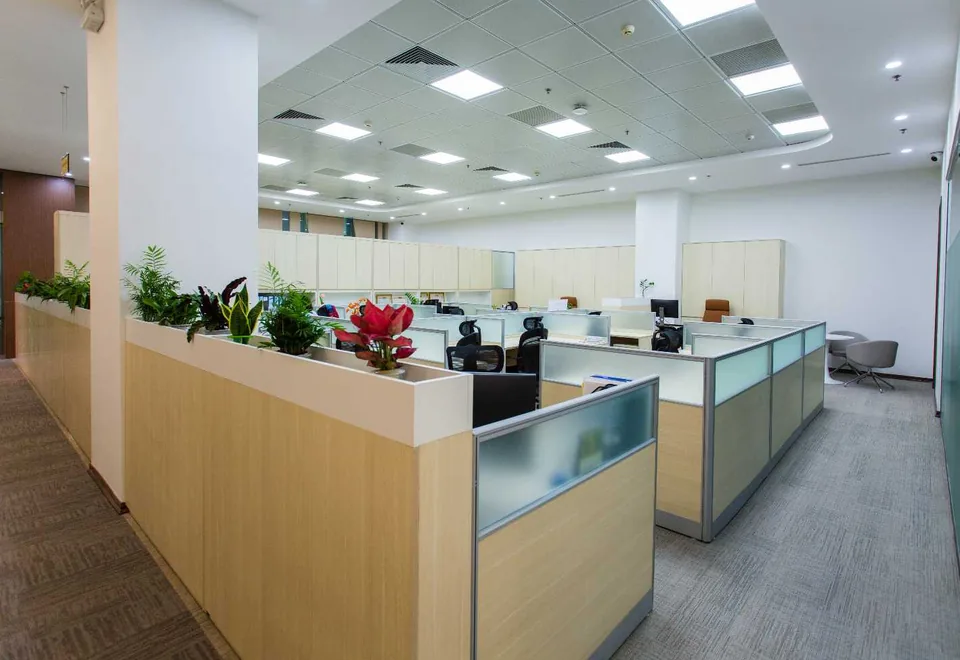
Moving into an office brings several kinds of work together. There are systems to connect, documents to organise and spaces to prepare. Treating each activity as an isolated task can make the final days before occupation unnecessarily difficult.
A useful brief gives everyone the same picture of the requirement. It does not need to be a long specification. It needs to explain what must be ready, who will use it and what has to happen first.
Start with the first working day
Describe what a person joining the office on day one needs to do. They may need access to business email, a shared folder, a printer and a working internet connection. They may also need to know where documents belong, how to request a purchase and who to contact when something is missing.
This view turns a broad instruction such as “set up the office” into a sequence of practical requirements. It also helps distinguish an essential opening-day activity from something that can follow later.
Write down the number of people expected to use the space and any equipment they bring. Note whether everyone arrives together or in stages. A gradual move has different coordination needs from a single handover date.
Identify the dependencies
Some work depends on access to the premises, available power or connectivity supplied by another provider. Cleaning may need to happen after installation work. A shared document structure may need agreement before files are moved into it.
Record these relationships explicitly. A simple list can identify the activity, its owner, what it depends on and the date it is needed. If a dependency is uncertain, label it as a question rather than making an assumption.
The purpose is to make the sequence understandable. A task appearing on a schedule does not mean the conditions for doing it are already in place.
Give information a home
An office setup is an opportunity to decide where business information should live. Consider quotation templates, invoice records, employee administration and recurring operational documents.
Agree a folder structure and naming approach that another person can follow. Identify who owns each record and who checks accuracy. Avoid creating a filing system that only makes sense to the person who arranged it.
Where information is sensitive, discuss access separately. A convenient shared folder is not automatically the right place for every document.
Write a cleaning scope around the space
List the areas involved, their condition and when they will become accessible. Explain whether the requirement is routine cleaning, a deeper clean before occupation or preparation after other work.
Clarify responsibility for waste, equipment and utilities. Note fragile items, restricted rooms and any surfaces needing specialist attention. These details help avoid differences between what was expected and what could reasonably be delivered.
A completion walkthrough should refer to the agreed areas. It should not introduce a new list of tasks after the work has been carried out.
Make the handover usable
A handover should identify what is ready, what remains outstanding and who owns the next action. For technology, this might include a device inventory and provider contacts. For administration, it may include templates and record instructions. For cleaning, it may be the agreed checklist and any exceptions.
Credentials should be transferred through an appropriate method, separately from general project correspondence. Do not place passwords in an office setup brief circulated to everyone involved.
Bring the right expertise into the conversation
AetherTech can discuss the technology requirements, Nexora the administrative foundations and Glorica the cleaning scope. Each activity should have a clear responsibility and a practical connection to the others.
Use the office setup checklist to prepare your requirements, or discuss the brief with Dedry Group.